Cat Climbing Frame: Small Practical Product Training Precautions
I. Introduction
As cat owners, we all want to provide the best for our feline friends. One of the most beneficial additions to your home for your cat's health and happiness is a cat climbing frame. These structures not only offer a place for your cat to play and exercise but also cater to their natural instincts. In this guide, we will explore the importance of cat climbing frames, how to choose the right one, and essential training precautions to ensure a safe and enjoyable experience for both you and your cat.
II. Understanding Cat Behavior
A. Natural Instincts of Cats
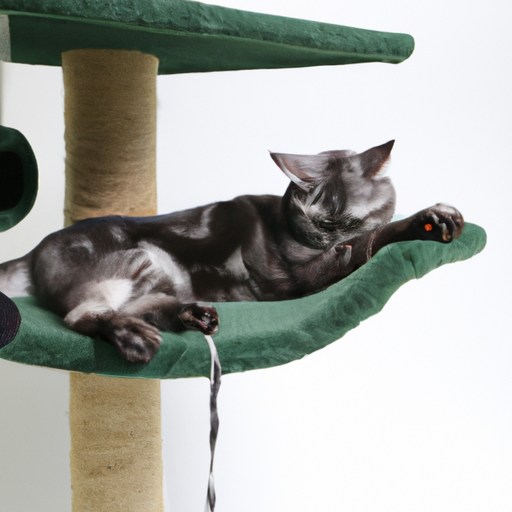
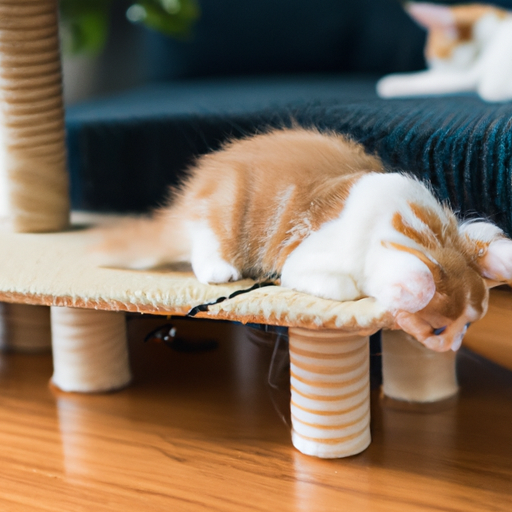
Cats are inherently climbers and explorers. In the wild, they seek high vantage points to survey their territory and escape potential threats. A cat climbing frame mimics this natural behavior, providing a safe space for your cat to climb, perch, and scratch. Understanding these instincts is crucial for creating an enriching environment that keeps your cat mentally and physically stimulated.
B. Importance of Providing Vertical Space
Vertical space is vital for a cat's well-being. It allows them to express their natural behaviors, reducing stress and anxiety. Cats that have access to climbing structures are more likely to engage in physical activity, which can help prevent obesity and related health issues. By providing a cat climbing frame, you are not only enhancing their playtime but also promoting a healthier lifestyle.
III. Choosing the Right Cat Climbing Frame
A. Factors to Consider
When selecting a cat climbing frame, several factors should be taken into account:
1. **Size and Space Availability**: Consider the size of your home and the space available for the climbing frame. Ensure it fits comfortably without overcrowding the area.
2. **Material and Durability**: Look for frames made from sturdy materials that can withstand your cat's weight and activity level. Wood and high-quality plastics are often good choices.
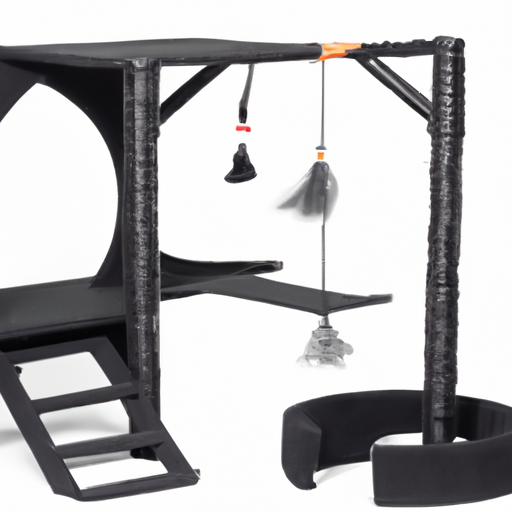
3. **Design and Features**: Different designs offer various features, such as shelves, scratching posts, and tunnels. Choose a frame that caters to your cat's preferences and needs.
B. Safety Standards
Safety should be a top priority when selecting a climbing frame. Ensure that the frame is stable and has a weight capacity that accommodates your cat. Additionally, check that all materials used are non-toxic and safe for pets.
IV. Setting Up the Cat Climbing Frame
A. Location Selection
The placement of the climbing frame is crucial for your cat's enjoyment. Choose a location that is visible and accessible, allowing your cat to observe their surroundings. Avoid placing the frame near hazards, such as windows with sharp edges or areas where they could fall.
B. Assembly Instructions
Follow the manufacturer's guidelines carefully during assembly. Ensure that all parts are securely fastened and that the frame is stable. A well-assembled climbing frame will provide a safe environment for your cat to explore.
V. Introducing the Cat to the Climbing Frame
A. Gradual Introduction
When introducing your cat to the climbing frame, take it slow. Allow them to explore at their own pace. You can encourage interaction by placing treats or toys on different levels of the frame, enticing them to climb and investigate.
B. Positive Reinforcement Techniques
Using positive reinforcement is key to building your cat's confidence. Reward them with treats or praise when they explore or climb the frame. This will help them associate the climbing frame with positive experiences, encouraging them to use it more frequently.
VI. Training Precautions
A. Monitoring Initial Interactions
During the initial interactions with the climbing frame, closely observe your cat's behavior. Look for signs of stress or fear, such as hiding or excessive vocalization. If your cat seems uncomfortable, give them space and allow them to approach the frame on their own terms.
B. Addressing Behavioral Issues
If your cat exhibits negative behaviors, such as scratching furniture or jumping inappropriately, redirect their energy to the climbing frame. Provide alternative outlets for their energy, such as interactive toys or additional scratching posts, to help them channel their instincts appropriately.
VII. Maintenance and Safety Checks
A. Regular Inspections
To ensure the longevity and safety of the climbing frame, conduct regular inspections. Check for any signs of wear and tear, such as loose screws or frayed fabric. Address any issues promptly to maintain a safe environment for your cat.
B. Cleaning and Care
Keeping the climbing frame clean is essential for your cat's health. Use pet-safe cleaning products to wipe down surfaces and remove any dirt or odors. Regular cleaning will help maintain a hygienic space for your cat to play and relax.
VIII. Conclusion
In summary, cat climbing frames are invaluable tools for enhancing your cat's quality of life. By understanding their natural instincts and providing a safe, engaging environment, you can foster a happy and healthy feline companion. Remember to choose the right frame, introduce it gradually, and monitor your cat's interactions to ensure a positive experience. The joy of watching your cat explore and play is truly rewarding, and with the right precautions, you can create a safe and enriching environment for your beloved pet.
IX. Additional Resources
For further reading on cat behavior and training, consider exploring books and articles that delve deeper into feline psychology. Online communities and forums can also be excellent resources for connecting with other cat owners, sharing tips, and seeking support. By staying informed and engaged, you can continue to provide the best care for your furry friend.