
What is the purchase price of the latest resistors?
04
25
The Evolution of Renewable Energy: A Path Towards a Sustainable Future I. IntroductionAs the world grapples with the pressing challenges of climate change and environmental degradation, the importance of renewable energy has never been more pronounced. Renewable energy refers to energy derived from natural sources that are replenished at a faster rate than they are consumed. This includes solar, wind, hydro, biomass, and geothermal energy. The transition to renewable energy is crucial in combating climate change, reducing greenhouse gas emissions, and fostering a sustainable future. In this article, we will explore the historical context of energy sources, the various types of renewable energy, the role of technology, economic implications, global perspectives, future trends, and the importance of this transition. II. Historical Context of Energy Sources A. Traditional Energy Sources: Fossil Fuels and Their ImpactFor centuries, fossil fuels—coal, oil, and natural gas—have been the backbone of global energy production. The Industrial Revolution marked a significant increase in fossil fuel consumption, leading to unprecedented economic growth. However, this reliance on fossil fuels has come at a steep environmental cost. The burning of fossil fuels releases carbon dioxide and other greenhouse gases into the atmosphere, contributing to global warming and climate change. Additionally, fossil fuel extraction and transportation have led to habitat destruction, oil spills, and air and water pollution. B. The Emergence of Renewable EnergyIn response to the environmental consequences of fossil fuel usage, renewable energy began to gain traction in the late 20th century. Early uses of renewable energy can be traced back to ancient civilizations that harnessed wind and water for power. However, it wasn't until the 1970s energy crisis that significant investments were made in renewable technologies. Technological advancements, such as improved solar panel efficiency and wind turbine design, have paved the way for modern renewable energy solutions. III. Types of Renewable Energy A. Solar EnergySolar energy is harnessed from the sun's rays using solar panels, which convert sunlight into electricity. This technology has seen remarkable advancements, making solar energy one of the most accessible and widely adopted forms of renewable energy. The benefits of solar energy include its abundance, low operating costs, and minimal environmental impact. However, challenges such as high initial installation costs and energy storage limitations remain. B. Wind EnergyWind energy is generated by converting the kinetic energy of wind into electricity using wind turbines. Wind farms can be found both onshore and offshore, and they have become a significant source of renewable energy in many countries. The advantages of wind energy include its low operational costs and the fact that it produces no emissions during operation. However, wind energy also faces challenges, such as variability in wind patterns and concerns about noise and wildlife impact. C. HydropowerHydropower is generated by harnessing the energy of flowing water, typically through dams. It is one of the oldest and most established forms of renewable energy. Hydropower is highly efficient and can provide a stable and reliable energy source. However, environmental considerations, such as the impact on aquatic ecosystems and displacement of communities, must be taken into account. D. Biomass and BiofuelsBiomass refers to organic materials, such as plant and animal waste, that can be used as fuel. Biofuels, derived from biomass, can be used to power vehicles and generate electricity. Biomass has the potential to reduce waste and provide a renewable energy source. However, concerns about land use, food production, and emissions from biofuel combustion must be addressed. E. Geothermal EnergyGeothermal energy harnesses heat from the Earth's interior to generate electricity or provide direct heating. This form of energy is highly reliable and has a small land footprint. However, the potential for geothermal energy is geographically limited, and the initial costs for drilling and infrastructure can be high. IV. The Role of Technology in Renewable EnergyTechnological innovations play a crucial role in the advancement of renewable energy. Energy storage technologies, such as batteries, are essential for managing the intermittent nature of solar and wind energy. Smart grid technology enhances energy distribution and efficiency, allowing for better integration of renewable sources into the existing energy infrastructure. Additionally, artificial intelligence is being utilized to optimize energy use, predict demand, and improve the efficiency of renewable energy systems. V. Economic Implications of Renewable EnergyThe transition to renewable energy has significant economic implications. The renewable energy sector has become a major source of job creation, with millions of jobs in manufacturing, installation, and maintenance. Furthermore, the cost of renewable energy has decreased dramatically in recent years, making it competitive with fossil fuels. Government policies and incentives, such as tax credits and subsidies, have also played a vital role in promoting renewable energy adoption. VI. Global Perspectives on Renewable Energy AdoptionCountries around the world are at different stages of renewable energy adoption. Germany, for example, has made significant strides in transitioning to renewable energy through its Energiewende policy, which aims to phase out nuclear power and increase the share of renewables. China has emerged as a global leader in solar and wind energy production, investing heavily in renewable technologies. However, developing countries face unique challenges in adopting renewable energy, including limited access to financing and technology. International agreements, such as the Paris Agreement, aim to foster collaboration and support for renewable energy initiatives globally. VII. Future Trends in Renewable EnergyThe future of renewable energy looks promising, with predictions indicating continued growth in the sector. Emerging technologies, such as floating solar panels and advanced energy storage solutions, have the potential to revolutionize energy production and consumption. Public awareness and education will also play a crucial role in promoting renewable energy adoption, as individuals and communities become more informed about the benefits and importance of transitioning to sustainable energy sources. VIII. ConclusionThe transition to renewable energy is not just an environmental imperative; it is a pathway towards a sustainable future. As we face the challenges of climate change and resource depletion, embracing renewable energy sources is essential for reducing our carbon footprint and ensuring a healthier planet for future generations. Individuals, businesses, and governments must work together to promote renewable energy adoption, invest in innovative technologies, and support policies that facilitate this transition. By doing so, we can envision a future powered by clean, sustainable energy that benefits both people and the planet. IX. References1. International Renewable Energy Agency (IRENA). (2021). Renewable Power Generation Costs in 2020.2. U.S. Department of Energy. (2020). 2020 Wind Technologies Market Report.3. World Bank. (2021). The World Bank Group’s Energy Sector Strategy.4. United Nations Framework Convention on Climate Change (UNFCCC). (2015). Paris Agreement.5. National Renewable Energy Laboratory (NREL). (2021). Solar Technology Basics. This blog post provides a comprehensive overview of the evolution of renewable energy, highlighting its importance, types, technological advancements, economic implications, global perspectives, and future trends. The transition to renewable energy is crucial for a sustainable future, and collective action is needed to make this vision a reality. The Evolution of Renewable Energy: A Path Towards a Sustainable Future I. IntroductionAs the world grapples with the pressing challenges of climate change and environmental degradation, the importance of renewable energy has never been more pronounced. Renewable energy refers to energy derived from natural sources that are replenished at a faster rate than they are consumed. This includes solar, wind, hydro, biomass, and geothermal energy. The transition to renewable energy is crucial in combating climate change, reducing greenhouse gas emissions, and fostering a sustainable future. In this article, we will explore the historical context of energy sources, the various types of renewable energy, the role of technology, economic implications, global perspectives, future trends, and the importance of this transition. II. Historical Context of Energy Sources A. Traditional Energy Sources: Fossil Fuels and Their ImpactFor centuries, fossil fuels—coal, oil, and natural gas—have been the backbone of global energy production. The Industrial Revolution marked a significant increase in fossil fuel consumption, leading to unprecedented economic growth. However, this reliance on fossil fuels has come at a steep environmental cost. The burning of fossil fuels releases carbon dioxide and other greenhouse gases into the atmosphere, contributing to global warming and climate change. Additionally, fossil fuel extraction and transportation have led to habitat destruction, oil spills, and air and water pollution. B. The Emergence of Renewable EnergyIn response to the environmental consequences of fossil fuel usage, renewable energy began to gain traction in the late 20th century. Early uses of renewable energy can be traced back to ancient civilizations that harnessed wind and water for power. However, it wasn't until the 1970s energy crisis that significant investments were made in renewable technologies. Technological advancements, such as improved solar panel efficiency and wind turbine design, have paved the way for modern renewable energy solutions. III. Types of Renewable Energy A. Solar EnergySolar energy is harnessed from the sun's rays using solar panels, which convert sunlight into electricity. This technology has seen remarkable advancements, making solar energy one of the most accessible and widely adopted forms of renewable energy. The benefits of solar energy include its abundance, low operating costs, and minimal environmental impact. However, challenges such as high initial installation costs and energy storage limitations remain. B. Wind EnergyWind energy is generated by converting the kinetic energy of wind into electricity using wind turbines. Wind farms can be found both onshore and offshore, and they have become a significant source of renewable energy in many countries. The advantages of wind energy include its low operational costs and the fact that it produces no emissions during operation. However, wind energy also faces challenges, such as variability in wind patterns and concerns about noise and wildlife impact. C. HydropowerHydropower is generated by harnessing the energy of flowing water, typically through dams. It is one of the oldest and most established forms of renewable energy. Hydropower is highly efficient and can provide a stable and reliable energy source. However, environmental considerations, such as the impact on aquatic ecosystems and displacement of communities, must be taken into account. D. Biomass and BiofuelsBiomass refers to organic materials, such as plant and animal waste, that can be used as fuel. Biofuels, derived from biomass, can be used to power vehicles and generate electricity. Biomass has the potential to reduce waste and provide a renewable energy source. However, concerns about land use, food production, and emissions from biofuel combustion must be addressed. E. Geothermal EnergyGeothermal energy harnesses heat from the Earth's interior to generate electricity or provide direct heating. This form of energy is highly reliable and has a small land footprint. However, the potential for geothermal energy is geographically limited, and the initial costs for drilling and infrastructure can be high. IV. The Role of Technology in Renewable EnergyTechnological innovations play a crucial role in the advancement of renewable energy. Energy storage technologies, such as batteries, are essential for managing the intermittent nature of solar and wind energy. Smart grid technology enhances energy distribution and efficiency, allowing for better integration of renewable sources into the existing energy infrastructure. Additionally, artificial intelligence is being utilized to optimize energy use, predict demand, and improve the efficiency of renewable energy systems. V. Economic Implications of Renewable EnergyThe transition to renewable energy has significant economic implications. The renewable energy sector has become a major source of job creation, with millions of jobs in manufacturing, installation, and maintenance. Furthermore, the cost of renewable energy has decreased dramatically in recent years, making it competitive with fossil fuels. Government policies and incentives, such as tax credits and subsidies, have also played a vital role in promoting renewable energy adoption. VI. Global Perspectives on Renewable Energy AdoptionCountries around the world are at different stages of renewable energy adoption. Germany, for example, has made significant strides in transitioning to renewable energy through its Energiewende policy, which aims to phase out nuclear power and increase the share of renewables. China has emerged as a global leader in solar and wind energy production, investing heavily in renewable technologies. However, developing countries face unique challenges in adopting renewable energy, including limited access to financing and technology. International agreements, such as the Paris Agreement, aim to foster collaboration and support for renewable energy initiatives globally. VII. Future Trends in Renewable EnergyThe future of renewable energy looks promising, with predictions indicating continued growth in the sector. Emerging technologies, such as floating solar panels and advanced energy storage solutions, have the potential to revolutionize energy production and consumption. Public awareness and education will also play a crucial role in promoting renewable energy adoption, as individuals and communities become more informed about the benefits and importance of transitioning to sustainable energy sources. VIII. ConclusionThe transition to renewable energy is not just an environmental imperative; it is a pathway towards a sustainable future. As we face the challenges of climate change and resource depletion, embracing renewable energy sources is essential for reducing our carbon footprint and ensuring a healthier planet for future generations. Individuals, businesses, and governments must work together to promote renewable energy adoption, invest in innovative technologies, and support policies that facilitate this transition. By doing so, we can envision a future powered by clean, sustainable energy that benefits both people and the planet. IX. References1. International Renewable Energy Agency (IRENA). (2021). Renewable Power Generation Costs in 2020.2. U.S. Department of Energy. (2020). 2020 Wind Technologies Market Report.3. World Bank. (2021). The World Bank Group’s Energy Sector Strategy.4. United Nations Framework Convention on Climate Change (UNFCCC). (2015). Paris Agreement.5. National Renewable Energy Laboratory (NREL). (2021). Solar Technology Basics. This blog post provides a comprehensive overview of the evolution of renewable energy, highlighting its importance, types, technological advancements, economic implications, global perspectives, and future trends. The transition to renewable energy is crucial for a sustainable future, and collective action is needed to make this vision a reality.
12
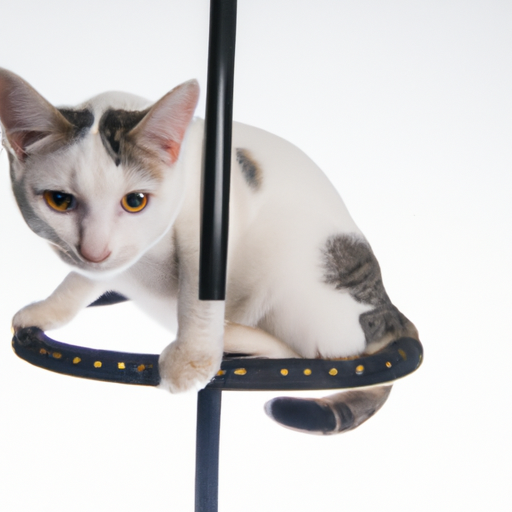
What is the production process of mainstream nerve cat small cat climbing frame?
03
15
The Production Process of Mainstream Nerve Cat Small Cat Climbing Frames I. Introduction In recent years, cat climbing frames have surged in popularity among pet owners, becoming a staple in many households. These structures not only provide a fun and stimulating environment for cats but also serve as a means for them to exercise and satisfy their natural instincts. Understanding the production process of these climbing frames is essential for both manufacturers and consumers, as it sheds light on the quality, safety, and design considerations that go into creating these beloved pet products. This article will explore the intricate steps involved in the production of mainstream nerve cat small cat climbing frames, from initial market research to final distribution. II. Understanding Cat Climbing Frames A. Definition and Purpose of Cat Climbing Frames Cat climbing frames, often referred to as cat trees or cat condos, are multi-level structures designed for cats to climb, scratch, and play. They typically feature various platforms, scratching posts, and sometimes enclosed spaces for resting. The primary purpose of these frames is to provide a safe and engaging environment for indoor cats, allowing them to exercise and explore their natural behaviors. B. Types of Climbing Frames Available in the Market The market offers a wide variety of cat climbing frames, ranging from simple, single-level designs to elaborate multi-tiered structures with integrated toys and hideaways. Some common types include: Basic Cat Trees: Simple designs with one or two levels and a scratching post. Deluxe Cat Condos: Larger structures with multiple levels, ramps, and enclosed spaces. Wall-Mounted Systems: Space-saving options that attach to walls, allowing cats to climb vertically. Outdoor Cat Towers: Designed for outdoor use, these frames are often made from weather-resistant materials. C. Benefits of Climbing Frames for Cats Climbing frames offer numerous benefits for cats, including: Physical Exercise: Encouraging climbing and jumping helps maintain a healthy weight. Mental Stimulation: Engaging with different levels and features keeps cats mentally active. Stress Relief: Providing a safe space for retreat can reduce anxiety and stress in indoor cats. III. Market Research and Design Phase A. Identifying Consumer Needs and Preferences The first step in the production process involves understanding what consumers want. Manufacturers often conduct surveys and focus groups to gather insights into pet owners' preferences. This research helps identify popular features, desired sizes, and price points. B. Conceptualizing the Design Once consumer needs are identified, designers begin conceptualizing the climbing frame. This phase includes sketching initial ideas and creating prototypes. Designers also select materials that align with the desired aesthetic and functionality of the product. C. Safety and Ergonomic Considerations Safety is paramount in the design of cat climbing frames. Manufacturers must ensure that the structures are stable and durable, preventing accidents during use. Ergonomic design features, such as ramps and platforms at appropriate heights, are also crucial for the comfort and safety of the cats. IV. Material Selection A. Types of Materials Used in Production The choice of materials significantly impacts the quality and durability of cat climbing frames. Common materials include: Wood: Often used for the frame and platforms due to its strength and aesthetic appeal. Fabric: Used for covering surfaces and creating cozy resting areas. Metal: Sometimes used for structural support or as part of the frame. Synthetic Materials: Such as engineered wood or plastics, which can offer durability and ease of cleaning. B. Sourcing Materials Manufacturers must decide whether to source materials locally or internationally. Local sourcing can reduce shipping costs and support local economies, while international suppliers may offer lower prices. Sustainability is also a growing concern, with many companies seeking eco-friendly materials to appeal to environmentally conscious consumers. C. Quality Control Measures for Materials Quality control is essential in ensuring that the materials used meet safety and durability standards. Manufacturers often conduct tests to assess the strength and safety of materials before they are used in production. V. Manufacturing Process A. Overview of the Manufacturing Workflow The manufacturing process typically follows a structured workflow, beginning with material preparation and ending with assembly and quality assurance. B. Cutting and Shaping Materials The first step in manufacturing involves cutting and shaping the materials. For wooden components, this may include sawing, sanding, and finishing to ensure a smooth surface. Fabric pieces are cut and sewn to create the desired shapes and sizes. C. Assembly of Components Once the materials are prepared, the assembly process begins. This involves securely joining the various parts of the climbing frame, ensuring that all components fit together correctly. Safety features, such as anti-tip mechanisms, are also incorporated during this stage. D. Quality Assurance Checks During Production Quality assurance is a critical aspect of the manufacturing process. Manufacturers conduct stability and safety tests throughout production, ensuring that the final product meets industry standards. Final inspections are performed to check for any defects or issues before the product is packaged. VI. Finishing Touches A. Aesthetic Enhancements The finishing touches of a cat climbing frame often involve aesthetic enhancements. This may include painting or staining wooden surfaces, adding textures, and incorporating patterns that appeal to consumers. B. Packaging Considerations Packaging is another important aspect of the production process. Many manufacturers are now opting for eco-friendly packaging options to reduce their environmental impact. Additionally, branding and marketing elements are included to attract consumers and convey the product's features. VII. Distribution and Retail A. Logistics of Distribution Once the climbing frames are manufactured and packaged, they must be distributed to retailers. This involves warehousing and inventory management to ensure that products are available when needed. Shipping methods are also considered, with options ranging from ground transportation to air freight. B. Retail Partnerships Manufacturers often establish partnerships with both online and brick-and-mortar retailers to reach a wider audience. Marketing strategies are developed to promote the climbing frames, highlighting their features and benefits to potential customers. VIII. Consumer Feedback and Iteration A. Importance of Customer Feedback After the climbing frames are released to the market, consumer feedback becomes invaluable. Manufacturers actively seek reviews and suggestions to understand how their products are received. B. Analyzing Reviews and Suggestions Analyzing customer feedback helps manufacturers identify areas for improvement. Common issues may include stability concerns, design preferences, or material quality. C. Iterating on Design and Production Based on Feedback Based on the feedback received, manufacturers may iterate on their designs and production processes. This could involve making adjustments to existing products or developing new models that better meet consumer needs. IX. Conclusion The production process of mainstream nerve cat small cat climbing frames is a complex journey that involves careful planning, material selection, and quality assurance. By understanding this process, consumers can make informed choices about the products they purchase for their feline companions. As the market continues to evolve, manufacturers must prioritize quality and safety while also adapting to changing consumer preferences. The future of cat climbing frames looks promising, with innovations on the horizon that will enhance the lives of both cats and their owners. X. References For further reading on the production process of cat climbing frames and related topics, consider exploring industry reports, pet product manufacturing guides, and consumer feedback platforms. Acknowledgments to industry experts and studies that contribute to the understanding of pet product design and safety standards are also essential for a comprehensive view of this topic.
11
Mainstream honeypot cat small cat climbing rack product series parameters
03
14
Mainstream Honeypot Cat Small Cat Climbing Rack Product Series Parameters I. Introduction In recent years, the popularity of cat climbing racks has surged among pet owners. These innovative structures not only provide a fun and engaging environment for cats but also serve as a practical solution for indoor living. As more people adopt cats, understanding the various product parameters of climbing racks becomes essential for making informed purchasing decisions. This article aims to provide detailed information on mainstream honeypot cat climbing racks, helping cat owners choose the best option for their furry companions. II. Understanding Cat Climbing Racks A. Definition and Purpose of Cat Climbing Racks Cat climbing racks, also known as cat trees or cat towers, are multi-level structures designed to cater to a cat's natural instincts to climb, scratch, and explore. These racks typically feature various platforms, scratching posts, and sometimes even enclosed spaces for hiding or resting. The primary purpose of these racks is to provide a safe and stimulating environment for indoor cats, allowing them to engage in physical activity and mental play. B. Benefits for Cats and Their Owners 1. **Physical Exercise**: Cats are naturally active creatures, and climbing racks encourage them to engage in physical activity. This exercise is crucial for maintaining a healthy weight and preventing obesity-related health issues. 2. **Mental Stimulation**: Climbing racks often come with various features that stimulate a cat's curiosity and intelligence. From scratching posts to hanging toys, these elements keep cats entertained and mentally engaged. 3. **Space-Saving Solutions for Indoor Cats**: For those living in apartments or homes with limited space, climbing racks provide a vertical solution for cats to explore without taking up too much floor space. They can climb high and enjoy their surroundings from a new perspective. C. Types of Climbing Racks Available in the Market The market offers a wide variety of cat climbing racks, ranging from simple designs to elaborate multi-level structures. Some common types include: Basic Cat Trees: These typically feature one or two levels and a scratching post, ideal for smaller spaces or kittens. Multi-Level Towers: Larger structures with multiple platforms, ramps, and scratching areas, suitable for active cats or multi-cat households. Wall-Mounted Racks: Space-saving options that attach to walls, allowing cats to climb and explore without taking up floor space. Combination Units: These may include features like hammocks, tunnels, and interactive toys, providing a comprehensive play and rest area for cats. III. Key Parameters of Honeypot Cat Climbing Racks When selecting a honeypot cat climbing rack, several key parameters should be considered to ensure the best fit for your cat's needs. A. Material Composition 1. **Common Materials Used**: Honeypot cat climbing racks are typically made from a combination of wood, fabric, and metal. Wood provides a sturdy base, while fabric covers offer comfort and appeal. 2. **Durability and Safety Considerations**: It's essential to choose racks made from high-quality materials that can withstand the wear and tear of active cats. Non-toxic finishes and sturdy construction are crucial for ensuring the safety of your pet. B. Size and Dimensions 1. **Height and Footprint**: The height and footprint of the climbing rack should be considered based on your living space and your cat's size. Taller racks may be more appealing to adventurous cats, while smaller options are better for limited spaces. 2. **Suitability for Different Cat Sizes and Breeds**: Ensure that the climbing rack is appropriate for your cat's size and breed. Larger breeds may require sturdier structures with wider platforms. C. Weight Capacity 1. **Importance of Weight Limits**: Each climbing rack has a specified weight limit, which is crucial for ensuring the safety of your cat. Exceeding this limit can lead to accidents and injuries. 2. **Recommendations for Multi-Cat Households**: If you have multiple cats, consider a climbing rack with a higher weight capacity to accommodate their combined weight and activity levels. D. Design Features 1. **Levels and Platforms**: Look for racks with multiple levels and platforms to provide your cat with various options for climbing and resting. 2. **Scratching Posts and Toys**: Integrated scratching posts and toys can enhance the climbing rack's appeal, encouraging healthy scratching behavior and play. 3. **Aesthetic Considerations for Home Decor**: Many modern climbing racks come in stylish designs that can complement your home decor, making them a functional and attractive addition to your living space. E. Assembly and Maintenance 1. **Ease of Assembly**: Consider how easy the climbing rack is to assemble. Some models come with clear instructions and all necessary tools, while others may require more effort. 2. **Cleaning and Upkeep Requirements**: Regular cleaning is essential to maintain hygiene. Look for racks with removable covers or easy-to-clean surfaces to simplify maintenance. IV. Popular Brands and Models A. Overview of Mainstream Brands in the Market Several brands have established themselves as leaders in the cat climbing rack market. Some of the most popular include: Frisco: Known for its affordable yet durable options, Frisco offers a range of climbing racks suitable for various cat sizes. Vesper: This brand focuses on modern designs that blend functionality with aesthetics, appealing to style-conscious cat owners. PetFusion: PetFusion is recognized for its eco-friendly materials and innovative designs that cater to both cats and their owners. B. Comparison of Popular Models 1. **Features and Specifications**: When comparing models, consider features such as the number of levels, included scratching posts, and additional toys. 2. **Price Range and Value for Money**: Prices can vary significantly based on brand and features. It's essential to find a balance between quality and affordability. C. Customer Reviews and Feedback Reading customer reviews can provide valuable insights into the performance and durability of specific models. Look for feedback on assembly ease, stability, and how well cats enjoy the climbing rack. V. Safety Considerations A. Importance of Safety in Cat Climbing Racks Safety should be a top priority when selecting a climbing rack. A well-constructed rack minimizes the risk of accidents and injuries, ensuring a safe play environment for your cat. B. Tips for Ensuring a Safe Environment 1. **Stability and Anchoring**: Ensure that the climbing rack is stable and can withstand your cat's weight and activity. Some models may require anchoring to the wall for added safety. 2. **Non-Toxic Materials**: Always check that the materials used are non-toxic and safe for pets. This includes finishes, fabrics, and any adhesives used in construction. 3. **Regular Inspections for Wear and Tear**: Periodically inspect the climbing rack for signs of wear, such as frayed fabric or loose screws. Addressing these issues promptly can prevent accidents. VI. Conclusion Choosing the right climbing rack for your cat is an important decision that can significantly impact their quality of life. By understanding the key parameters and considering your cat's needs, you can select a climbing rack that provides both fun and safety. Investing in a quality climbing rack not only enriches your cat's environment but also strengthens the bond between you and your furry friend. VII. Additional Resources For those looking to explore more about cat climbing racks and care, consider the following resources: Links to Reputable Brands and Retailers: Websites like Chewy, Amazon, and Petco offer a wide selection of climbing racks and customer reviews. Further Reading on Cat Care and Enrichment: Books and articles on feline behavior can provide additional insights into creating a stimulating environment for your cat. Community Forums and Support Groups for Cat Owners: Online communities can be a great source of advice and shared experiences among cat owners. By taking the time to research and select the right climbing rack, you can ensure that your cat enjoys a happy, healthy, and enriched life.
12
What are the product standards for cat playing small cat climbing frames?
03
13
What are the Product Standards for Cat Playing Small Cat Climbing Frames? I. Introduction A. Importance of Cat Climbing Frames Cat climbing frames are more than just a luxury for our feline friends; they are essential tools for promoting their health and well-being. Cats are natural climbers and explorers, and providing them with a dedicated space to climb, scratch, and play can significantly enhance their quality of life. These structures offer numerous benefits, including physical exercise, mental stimulation, and a safe environment for play. B. Overview of Product Standards To ensure that cat climbing frames are safe and effective, adherence to product standards is crucial. Product standards are established guidelines that dictate the safety, quality, and performance of consumer goods. For cat climbing frames, these standards help protect our pets from potential hazards and ensure that the products we purchase are reliable and durable. II. Understanding Cat Climbing Frames A. Definition and Purpose Cat climbing frames are specially designed structures that allow cats to engage in their natural behaviors, such as climbing, scratching, and lounging. They come in various types and designs, from simple shelves mounted on walls to elaborate multi-level towers with integrated scratching posts and toys. The primary purpose of these frames is to provide a stimulating environment that encourages physical activity and mental engagement. B. Target Audience The primary audience for cat climbing frames is cat owners who want to enrich their pets' lives. Different cat breeds and sizes may require specific considerations when selecting a climbing frame. For instance, larger breeds may need sturdier structures, while older or disabled cats may benefit from designs that offer easier access. III. Safety Standards A. Material Safety One of the foremost considerations in the design of cat climbing frames is the safety of the materials used. Non-toxic materials are essential to prevent any health risks to cats. Additionally, the materials should be durable and resistant to wear and tear, ensuring that the climbing frame can withstand the rigors of daily use. B. Structural Integrity The structural integrity of a cat climbing frame is vital for preventing accidents. Manufacturers must ensure that the frame is stable and can support the weight of the cats that will use it. Design considerations should include a low center of gravity and a wide base to prevent tipping or collapsing during play. C. Edges and Surfaces To minimize the risk of injury, all edges and surfaces of the climbing frame should be smooth. Sharp edges can lead to cuts or scrapes, while non-slip surfaces are essential for safe climbing. This is particularly important for older cats or those with mobility issues. IV. Design Standards A. Size and Dimensions The size and dimensions of cat climbing frames should be appropriate for small cats. Frames that are too tall or narrow can pose safety risks, while those that are too small may not provide adequate space for play. Additionally, space considerations for indoor use are crucial, as many cat owners live in apartments or smaller homes. B. Accessibility Accessibility is another critical design standard. Ramps, steps, and platforms should be incorporated to allow easy access for all cats, including older or disabled ones. This ensures that every cat can enjoy the climbing frame without difficulty. C. Aesthetic Appeal In recent years, there has been a growing trend towards aesthetically pleasing cat furniture. Cat climbing frames should not only be functional but also integrate well with home decor. This consideration can make it easier for cat owners to incorporate these structures into their living spaces without compromising style. V. Functional Standards A. Multi-functionality A well-designed cat climbing frame should offer multi-functionality. Incorporating scratching posts, toys, and resting areas can provide a versatile play environment that caters to different play styles. This versatility can keep cats engaged and entertained for longer periods. B. Ease of Assembly User-friendly assembly instructions are essential for cat climbing frames. Many consumers may not have the tools or expertise to assemble complex structures, so clear instructions and minimal tools required can enhance the overall user experience. Additionally, the time it takes to assemble the frame should be reasonable. C. Maintenance and Cleaning Materials that are easy to clean are crucial for maintaining hygiene in cat climbing frames. Cat owners should consider how easy it is to remove fur, dirt, and odors from the frame. Features that facilitate cleaning can significantly enhance the longevity and usability of the product. VI. Regulatory Standards and Certifications A. Overview of Relevant Regulations Various international and national standards govern the safety and quality of pet products, including cat climbing frames. Organizations such as ASTM (American Society for Testing and Materials) and ISO (International Organization for Standardization) play a significant role in setting these standards. Understanding these regulations can help consumers make informed choices. B. Importance of Certifications Certifications can indicate a product's quality and safety. When shopping for cat climbing frames, look for products that have been certified by recognized organizations. These certifications can provide peace of mind, ensuring that the product meets established safety and quality standards. VII. Consumer Considerations A. Researching Brands and Products Before purchasing a cat climbing frame, it's essential to research brands and products. Reading reviews and ratings from other consumers can provide valuable insights into the quality and safety of the product. Recommendations for reputable brands can also guide consumers toward making informed choices. B. Price vs. Quality Understanding the balance between cost and safety is crucial when selecting a cat climbing frame. While it may be tempting to opt for cheaper options, investing in a high-quality product can lead to long-term benefits for both the cat and the owner. A well-made climbing frame can provide years of enjoyment and safety. VIII. Conclusion A. Recap of Importance of Standards Adhering to product standards is vital for ensuring the safety and quality of cat climbing frames. These standards not only protect our pets but also enhance the overall experience for both cats and their owners. By understanding and considering these standards, consumers can make informed decisions that promote the well-being of their pets. B. Encouragement for Responsible Purchasing As responsible pet owners, it is our duty to make informed purchasing decisions based on established standards. By prioritizing quality and safety, we can provide our cats with the enriching environments they need to thrive. Investing in a well-designed cat climbing frame is not just a purchase; it is a commitment to our pets' health and happiness. IX. References - American Society for Testing and Materials (ASTM) - International Organization for Standardization (ISO) - Various studies and articles on pet safety and climbing frame design By understanding the product standards for small cat climbing frames, cat owners can ensure they are providing a safe, engaging, and enjoyable environment for their beloved pets.
27
What are the advantages of small wooden cat climbing rack products?
03
12
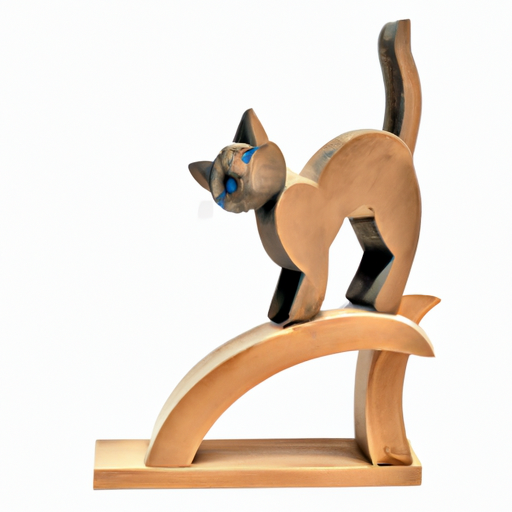
What are the Advantages of Small Wooden Cat Climbing Rack Products? I. Introduction In recent years, the popularity of cat climbing racks has surged among pet owners. These structures not only provide a fun and engaging environment for cats but also serve as essential tools for their physical and mental well-being. When selecting a climbing rack, the choice of materials and design plays a crucial role in ensuring the product meets both aesthetic and functional needs. This article aims to explore the numerous advantages of small wooden cat climbing racks, highlighting why they are an excellent investment for both cats and their owners. II. Understanding Cat Climbing Racks A. Definition and Purpose of Cat Climbing Racks Cat climbing racks are specially designed structures that allow cats to climb, perch, and explore vertical spaces. These racks can come in various forms, including shelves, ramps, and multi-level towers, providing cats with opportunities to exercise, play, and rest. The primary purpose of these racks is to cater to a cat's natural instincts, promoting physical activity and mental stimulation. B. Different Types of Cat Climbing Structures There are several types of cat climbing structures available on the market, ranging from simple wall-mounted shelves to elaborate multi-tiered towers. Each type serves a unique purpose, catering to different feline preferences and living spaces. Some structures are designed for specific activities, such as scratching or lounging, while others focus on providing a comprehensive climbing experience. C. The Role of Climbing Racks in Feline Health and Behavior Climbing racks play a vital role in a cat's health and behavior. They encourage physical activity, which is essential for maintaining a healthy weight and preventing obesity. Additionally, these structures provide a safe space for cats to express their natural behaviors, such as climbing, scratching, and exploring, which can help reduce stress and anxiety. III. Benefits of Small Wooden Cat Climbing Racks A. Aesthetic Appeal 1. Natural Look and Feel of Wood One of the most significant advantages of small wooden cat climbing racks is their aesthetic appeal. Wood offers a natural look and feel that can seamlessly blend into various home decor styles. Unlike plastic or metal options, wooden racks add warmth and character to a living space, making them a visually pleasing addition. 2. Versatility in Home Decor Wooden climbing racks come in various finishes and designs, allowing pet owners to choose options that complement their existing decor. Whether your home has a modern, rustic, or traditional style, there is likely a wooden climbing rack that will fit right in. 3. Customization Options for Different Styles Many manufacturers offer customizable wooden climbing racks, allowing pet owners to select specific colors, finishes, and designs. This level of customization ensures that the climbing rack not only serves its functional purpose but also enhances the overall aesthetic of the home. B. Durability and Longevity 1. Comparison of Wood vs. Other Materials When comparing wooden climbing racks to those made from plastic or metal, wood often stands out for its durability. While plastic can become brittle over time and metal may rust or corrode, high-quality wood can withstand the test of time, making it a more reliable choice for active cats. 2. Resistance to Wear and Tear Wooden climbing racks are generally resistant to wear and tear, especially when properly maintained. Unlike fabric-covered structures that may fray or tear, wooden surfaces can endure scratching and climbing without significant damage. 3. Long-Term Investment for Pet Owners Investing in a small wooden cat climbing rack can be a long-term decision. While the initial cost may be higher than cheaper alternatives, the durability and longevity of wood make it a cost-effective choice in the long run. C. Safety and Comfort 1. Non-Toxic Materials and Finishes Safety is a top priority for pet owners, and wooden climbing racks often use non-toxic materials and finishes. This ensures that cats can safely interact with the structure without the risk of exposure to harmful chemicals. 2. Stability and Sturdiness for Active Cats Wooden climbing racks are typically more stable and sturdy than their plastic counterparts. This stability is crucial for active cats that enjoy jumping and climbing, as it reduces the risk of accidents and injuries. 3. Comfort for Climbing and Resting The natural texture of wood provides a comfortable surface for cats to climb and rest. Unlike metal or plastic, which can be cold and uninviting, wood offers a warm and cozy environment for feline relaxation. D. Environmental Benefits 1. Sustainability of Wooden Materials Many wooden climbing racks are made from sustainably sourced materials, making them an environmentally friendly choice. By opting for wooden products, pet owners can support responsible forestry practices and contribute to environmental conservation. 2. Biodegradability and Eco-Friendliness Wood is a biodegradable material, meaning that when a wooden climbing rack reaches the end of its life, it can decompose naturally without harming the environment. This eco-friendliness is an essential consideration for environmentally conscious pet owners. 3. Supporting Responsible Sourcing Practices Choosing wooden climbing racks from reputable manufacturers often means supporting companies that prioritize responsible sourcing and sustainable practices. This choice can have a positive impact on the environment and promote ethical business practices. E. Health Benefits for Cats 1. Encouraging Physical Activity and Exercise Small wooden cat climbing racks encourage cats to engage in physical activity, which is essential for maintaining a healthy weight and overall well-being. Climbing and exploring these structures can help prevent obesity and related health issues. 2. Reducing Stress and Anxiety Through Vertical Space Cats are natural climbers, and providing them with vertical space can help reduce stress and anxiety. Climbing racks offer a safe haven for cats to retreat to when they feel overwhelmed, promoting a sense of security and comfort. 3. Promoting Natural Behaviors Wooden climbing racks allow cats to express their natural behaviors, such as climbing, scratching, and perching. This opportunity for natural expression can lead to happier, healthier cats and reduce behavioral issues. F. Space Efficiency 1. Compact Design Suitable for Small Living Spaces Small wooden cat climbing racks are designed to be space-efficient, making them ideal for apartments or homes with limited space. Their compact design allows pet owners to provide their cats with a climbing structure without sacrificing valuable floor space. 2. Multi-Functional Use Many small wooden climbing racks serve multiple purposes, such as providing scratching surfaces and resting areas. This multi-functionality makes them a practical choice for pet owners looking to maximize their investment. 3. Easy Integration into Various Home Layouts The versatility of small wooden climbing racks allows them to be easily integrated into various home layouts. Whether placed in a corner, against a wall, or as a standalone feature, these racks can fit seamlessly into any living space. IV. Considerations When Choosing a Small Wooden Cat Climbing Rack A. Size and Dimensions When selecting a small wooden climbing rack, it's essential to consider the size and dimensions of the structure. Ensure that it fits comfortably in your living space and provides enough room for your cat to climb and explore. B. Design Features Look for design features that cater to your cat's needs, such as shelves, ramps, and scratching surfaces. These features can enhance the climbing experience and provide additional opportunities for play and relaxation. C. Quality of Craftsmanship and Materials Investing in a high-quality wooden climbing rack is crucial for ensuring durability and safety. Check for craftsmanship details, such as smooth edges and sturdy construction, to ensure the product will withstand your cat's activities. D. Price Range and Budget Considerations While small wooden climbing racks can vary in price, it's essential to find a product that fits your budget without compromising on quality. Consider the long-term investment aspect when evaluating price options. V. Maintenance and Care of Wooden Cat Climbing Racks A. Cleaning and Upkeep Tips To maintain the appearance and longevity of a wooden climbing rack, regular cleaning is essential. Use a damp cloth to wipe down surfaces and remove any dirt or debris. Avoid harsh chemicals that could damage the wood or harm your cat. B. Preventing Wear and Tear To prevent wear and tear, consider placing scratching posts or pads near the climbing rack. This can help redirect your cat's scratching behavior and prolong the life of the wooden structure. C. Repairing Minor Damages If minor damages occur, such as scratches or dents, they can often be repaired with wood filler or touch-up paint. Regular maintenance can help keep the climbing rack looking new and functional. VI. Conclusion In summary, small wooden cat climbing racks offer numerous advantages for both cats and their owners. From their aesthetic appeal and durability to their safety and environmental benefits, these structures provide a comprehensive solution for enhancing feline well-being. Pet owners are encouraged to consider investing in a small wooden climbing rack to create a stimulating and safe environment for their beloved cats. Thoughtful design choices can significantly impact a cat's quality of life, making it essential to choose products that prioritize both functionality and style. VII. References - Studies on feline behavior and the importance of vertical space in cat environments. - Expert opinions on the benefits of climbing structures for cats. - Resources for purchasing and maintaining wooden cat climbing racks.
26
86-13826519287‬
1