The Production Process of Mainstream Nerve Cat Small Cat Climbing Frames
I. Introduction
In recent years, cat climbing frames have surged in popularity among pet owners, becoming a staple in many households. These structures not only provide a fun and stimulating environment for cats but also serve as a means for them to exercise and satisfy their natural instincts. Understanding the production process of these climbing frames is essential for both manufacturers and consumers, as it sheds light on the quality, safety, and design considerations that go into creating these beloved pet products. This article will explore the intricate steps involved in the production of mainstream nerve cat small cat climbing frames, from initial market research to final distribution.
II. Understanding Cat Climbing Frames
A. Definition and Purpose of Cat Climbing Frames
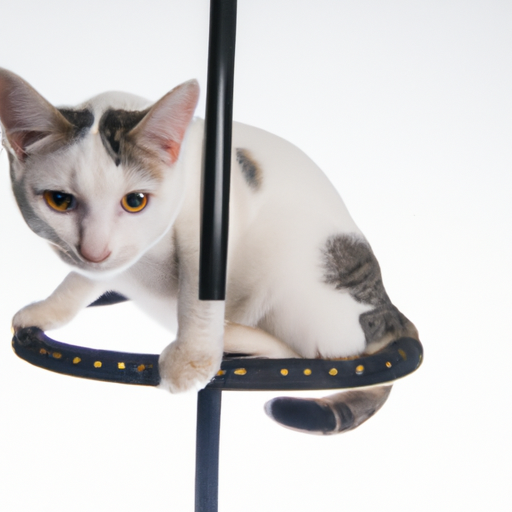
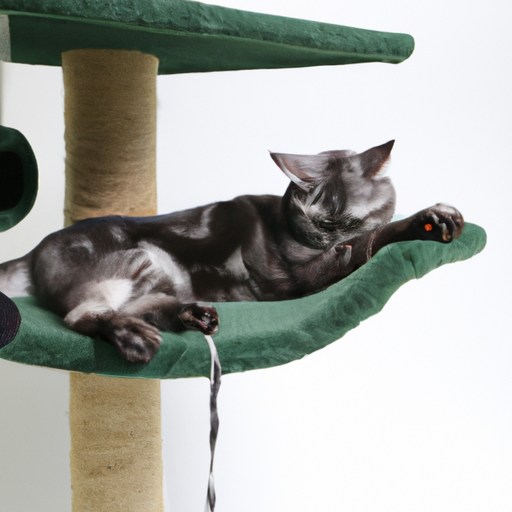
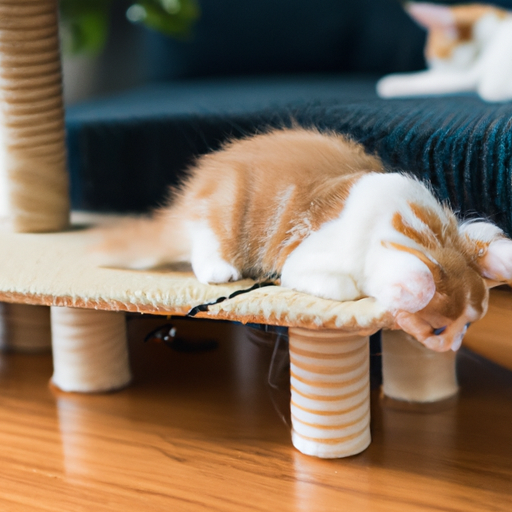
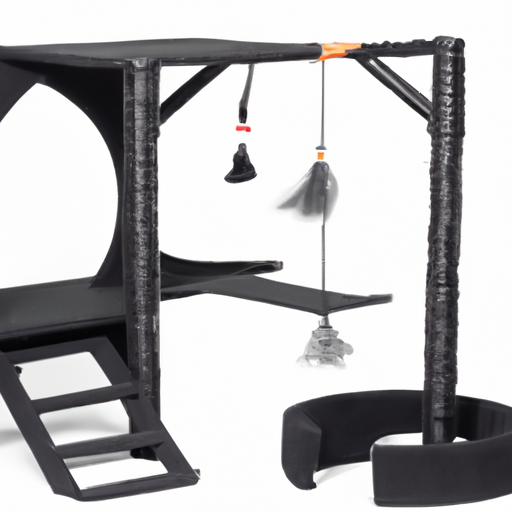
Cat climbing frames, often referred to as cat trees or cat condos, are multi-level structures designed for cats to climb, scratch, and play. They typically feature various platforms, scratching posts, and sometimes enclosed spaces for resting. The primary purpose of these frames is to provide a safe and engaging environment for indoor cats, allowing them to exercise and explore their natural behaviors.
B. Types of Climbing Frames Available in the Market
The market offers a wide variety of cat climbing frames, ranging from simple, single-level designs to elaborate multi-tiered structures with integrated toys and hideaways. Some common types include:
Basic Cat Trees: Simple designs with one or two levels and a scratching post.
Deluxe Cat Condos: Larger structures with multiple levels, ramps, and enclosed spaces.
Wall-Mounted Systems: Space-saving options that attach to walls, allowing cats to climb vertically.
Outdoor Cat Towers: Designed for outdoor use, these frames are often made from weather-resistant materials.
C. Benefits of Climbing Frames for Cats
Climbing frames offer numerous benefits for cats, including:
Physical Exercise: Encouraging climbing and jumping helps maintain a healthy weight.
Mental Stimulation: Engaging with different levels and features keeps cats mentally active.
Stress Relief: Providing a safe space for retreat can reduce anxiety and stress in indoor cats.
III. Market Research and Design Phase
A. Identifying Consumer Needs and Preferences
The first step in the production process involves understanding what consumers want. Manufacturers often conduct surveys and focus groups to gather insights into pet owners' preferences. This research helps identify popular features, desired sizes, and price points.
B. Conceptualizing the Design
Once consumer needs are identified, designers begin conceptualizing the climbing frame. This phase includes sketching initial ideas and creating prototypes. Designers also select materials that align with the desired aesthetic and functionality of the product.
C. Safety and Ergonomic Considerations
Safety is paramount in the design of cat climbing frames. Manufacturers must ensure that the structures are stable and durable, preventing accidents during use. Ergonomic design features, such as ramps and platforms at appropriate heights, are also crucial for the comfort and safety of the cats.
IV. Material Selection
A. Types of Materials Used in Production
The choice of materials significantly impacts the quality and durability of cat climbing frames. Common materials include:
Wood: Often used for the frame and platforms due to its strength and aesthetic appeal.
Fabric: Used for covering surfaces and creating cozy resting areas.
Metal: Sometimes used for structural support or as part of the frame.
Synthetic Materials: Such as engineered wood or plastics, which can offer durability and ease of cleaning.
B. Sourcing Materials
Manufacturers must decide whether to source materials locally or internationally. Local sourcing can reduce shipping costs and support local economies, while international suppliers may offer lower prices. Sustainability is also a growing concern, with many companies seeking eco-friendly materials to appeal to environmentally conscious consumers.
C. Quality Control Measures for Materials
Quality control is essential in ensuring that the materials used meet safety and durability standards. Manufacturers often conduct tests to assess the strength and safety of materials before they are used in production.
V. Manufacturing Process
A. Overview of the Manufacturing Workflow
The manufacturing process typically follows a structured workflow, beginning with material preparation and ending with assembly and quality assurance.
B. Cutting and Shaping Materials
The first step in manufacturing involves cutting and shaping the materials. For wooden components, this may include sawing, sanding, and finishing to ensure a smooth surface. Fabric pieces are cut and sewn to create the desired shapes and sizes.
C. Assembly of Components
Once the materials are prepared, the assembly process begins. This involves securely joining the various parts of the climbing frame, ensuring that all components fit together correctly. Safety features, such as anti-tip mechanisms, are also incorporated during this stage.
D. Quality Assurance Checks During Production
Quality assurance is a critical aspect of the manufacturing process. Manufacturers conduct stability and safety tests throughout production, ensuring that the final product meets industry standards. Final inspections are performed to check for any defects or issues before the product is packaged.
VI. Finishing Touches
A. Aesthetic Enhancements
The finishing touches of a cat climbing frame often involve aesthetic enhancements. This may include painting or staining wooden surfaces, adding textures, and incorporating patterns that appeal to consumers.
B. Packaging Considerations
Packaging is another important aspect of the production process. Many manufacturers are now opting for eco-friendly packaging options to reduce their environmental impact. Additionally, branding and marketing elements are included to attract consumers and convey the product's features.
VII. Distribution and Retail
A. Logistics of Distribution
Once the climbing frames are manufactured and packaged, they must be distributed to retailers. This involves warehousing and inventory management to ensure that products are available when needed. Shipping methods are also considered, with options ranging from ground transportation to air freight.
B. Retail Partnerships
Manufacturers often establish partnerships with both online and brick-and-mortar retailers to reach a wider audience. Marketing strategies are developed to promote the climbing frames, highlighting their features and benefits to potential customers.
VIII. Consumer Feedback and Iteration
A. Importance of Customer Feedback
After the climbing frames are released to the market, consumer feedback becomes invaluable. Manufacturers actively seek reviews and suggestions to understand how their products are received.
B. Analyzing Reviews and Suggestions
Analyzing customer feedback helps manufacturers identify areas for improvement. Common issues may include stability concerns, design preferences, or material quality.
C. Iterating on Design and Production Based on Feedback
Based on the feedback received, manufacturers may iterate on their designs and production processes. This could involve making adjustments to existing products or developing new models that better meet consumer needs.
IX. Conclusion
The production process of mainstream nerve cat small cat climbing frames is a complex journey that involves careful planning, material selection, and quality assurance. By understanding this process, consumers can make informed choices about the products they purchase for their feline companions. As the market continues to evolve, manufacturers must prioritize quality and safety while also adapting to changing consumer preferences. The future of cat climbing frames looks promising, with innovations on the horizon that will enhance the lives of both cats and their owners.
X. References
For further reading on the production process of cat climbing frames and related topics, consider exploring industry reports, pet product manufacturing guides, and consumer feedback platforms. Acknowledgments to industry experts and studies that contribute to the understanding of pet product design and safety standards are also essential for a comprehensive view of this topic.